THE METHOD
Six Stages, One Direction.
The same pipeline runs on every project, whether it is a single film or a campaign that has to ship in more than one language and format. It is written out here so you can see where your decisions land before you commit to anything.
01
Brief
We start with what the piece has to do: the audience, the message, where it runs and in which formats and languages. Scope and shot count come out of that conversation, and so does a realistic timeline.
You describe the project. Nothing is committed and nothing is quoted at this stage.
02
Treatment
The creative approach is agreed before any shot design begins: the story, the look, the camera language, and the continuity rules the piece will hold to from first frame to last.
You agree the direction, or send it back. This is the cheapest point in the whole process to change your mind.
03
Shot design
Every sequence is broken into directed shot sheets before a single frame is generated. Blocking, lensing and lighting are decided here, in writing, shot by shot.
You see the shot sheets. What is on them is what gets built.
Shot sheet, Qissaverse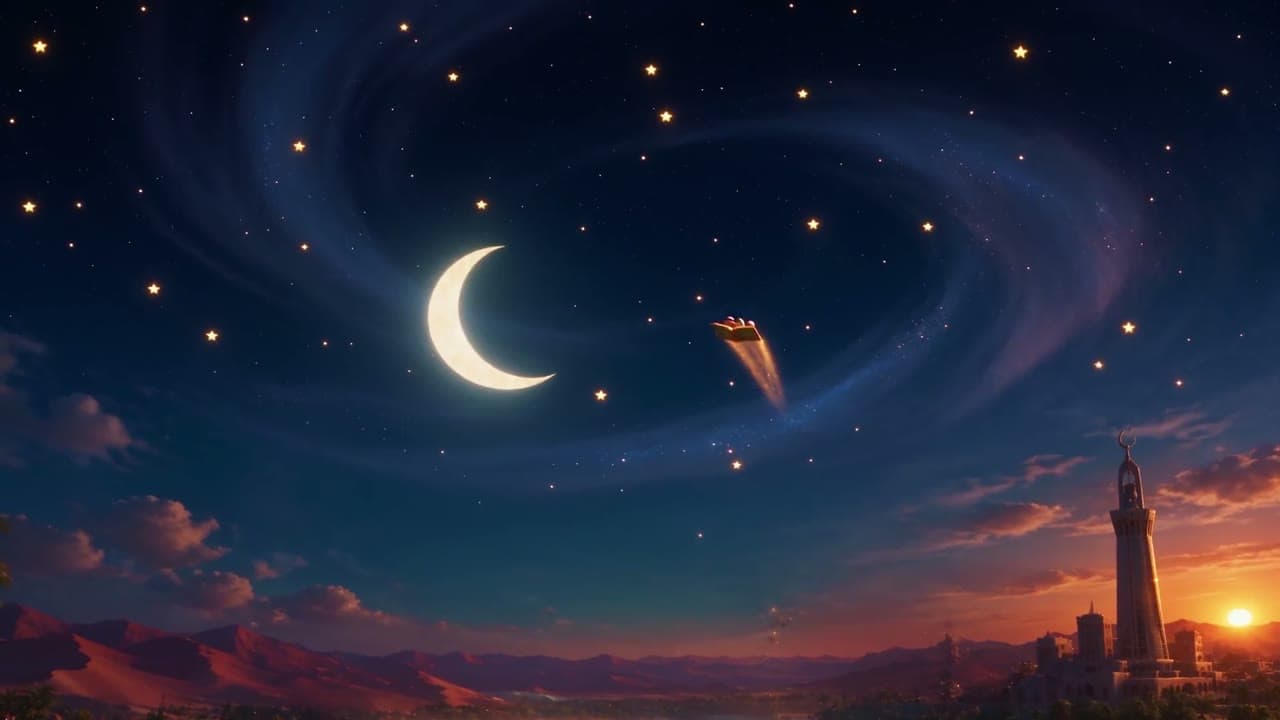
01Wide. Night. The book crosses the moon, the city below.
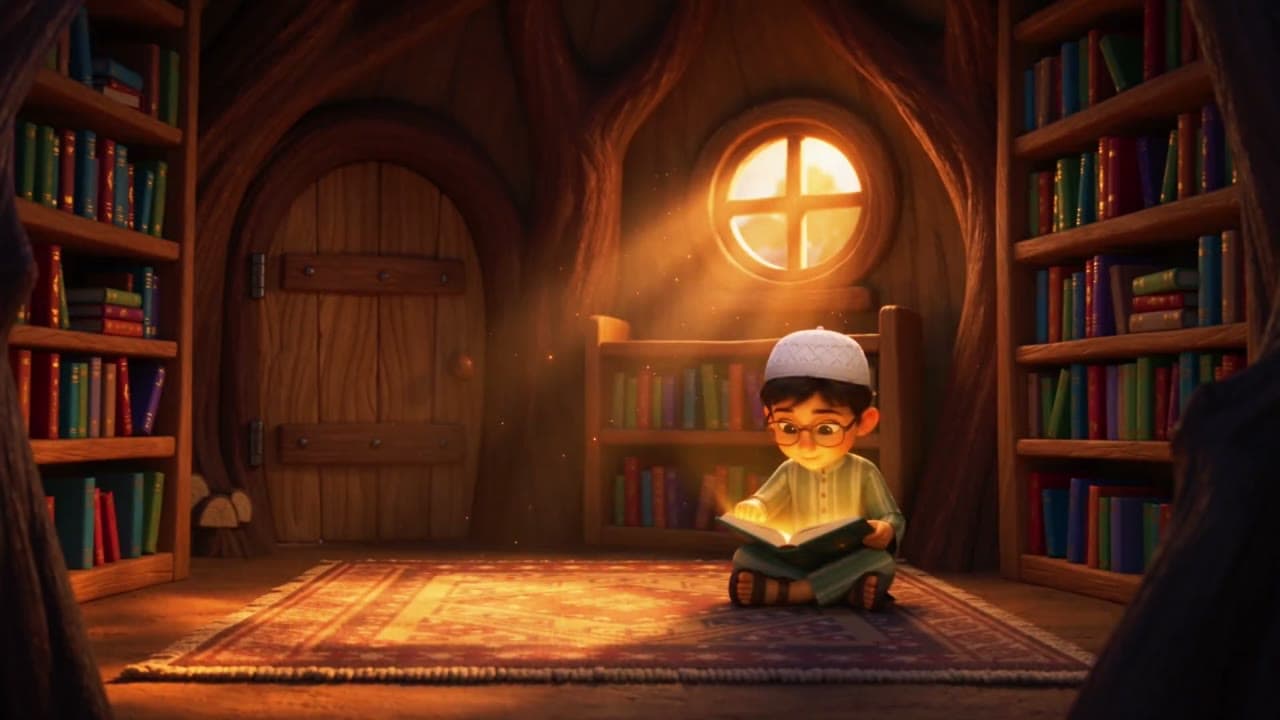
02Wide, high angle. The library, one boy at the door, light from the round window.
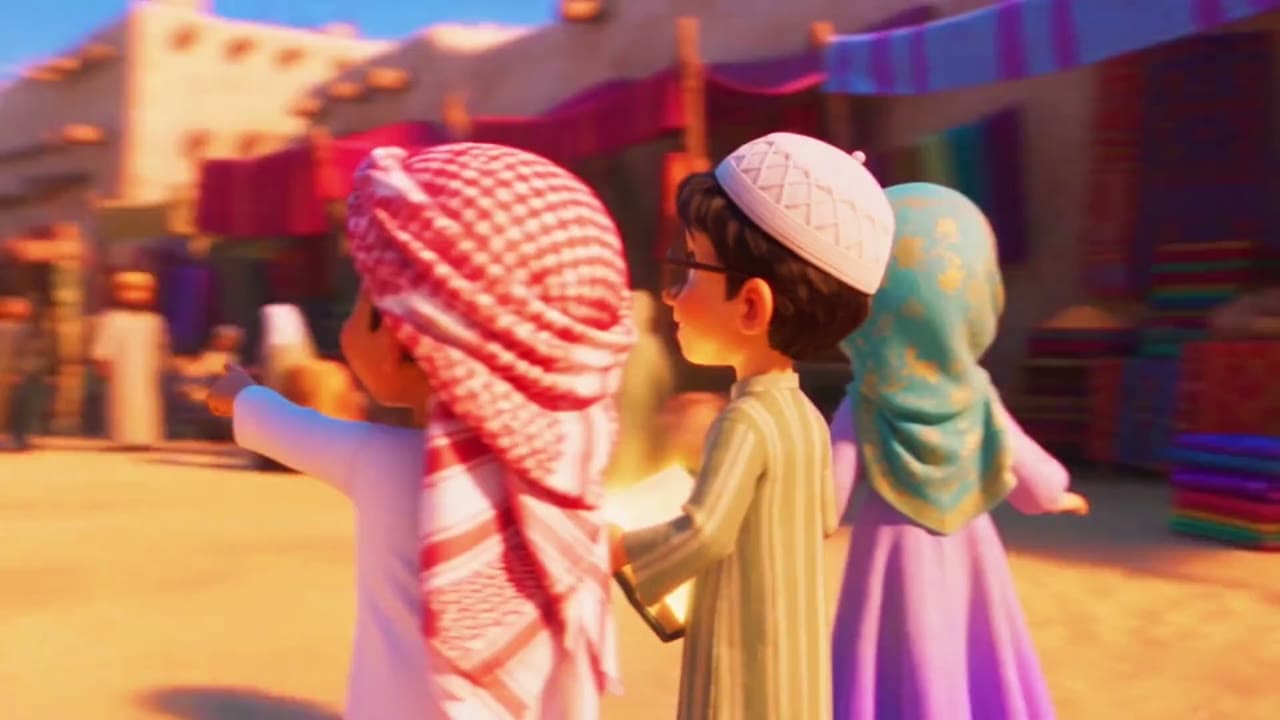
03Over the shoulder. The three walk into the market, the sun ahead of them.
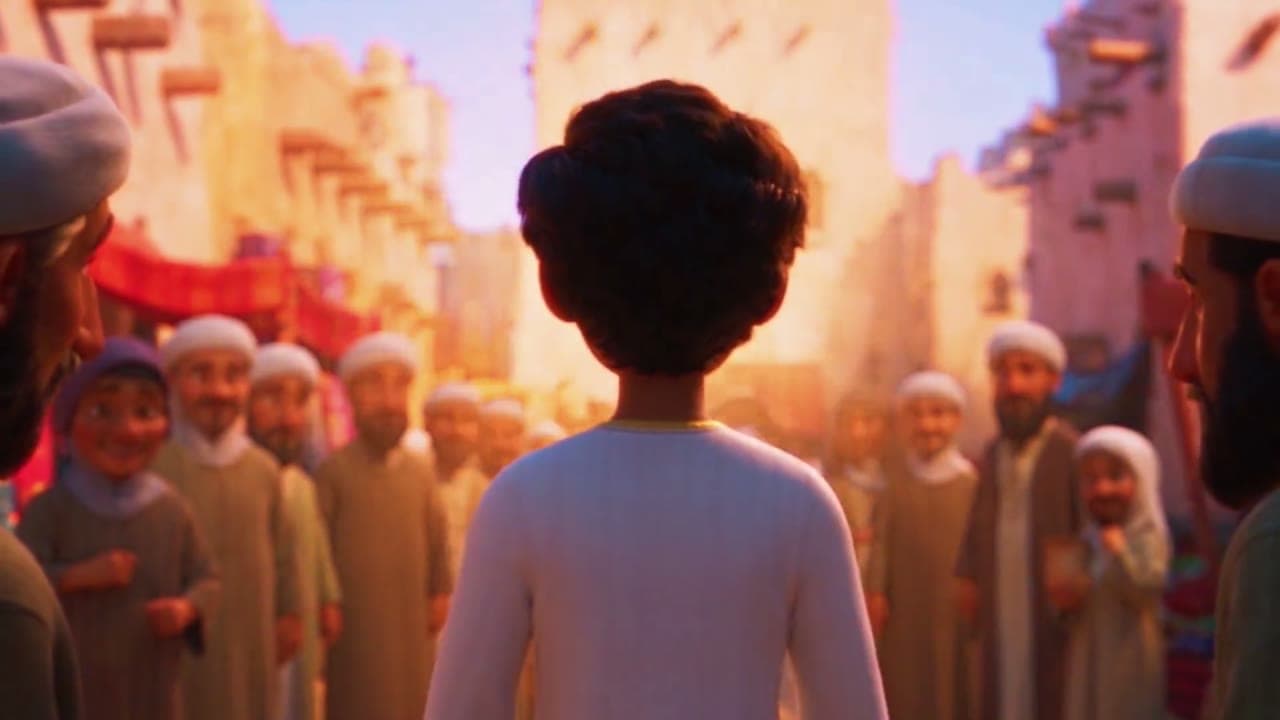
04Medium, from behind. The boy alone in the street, backlit, the crowd soft.
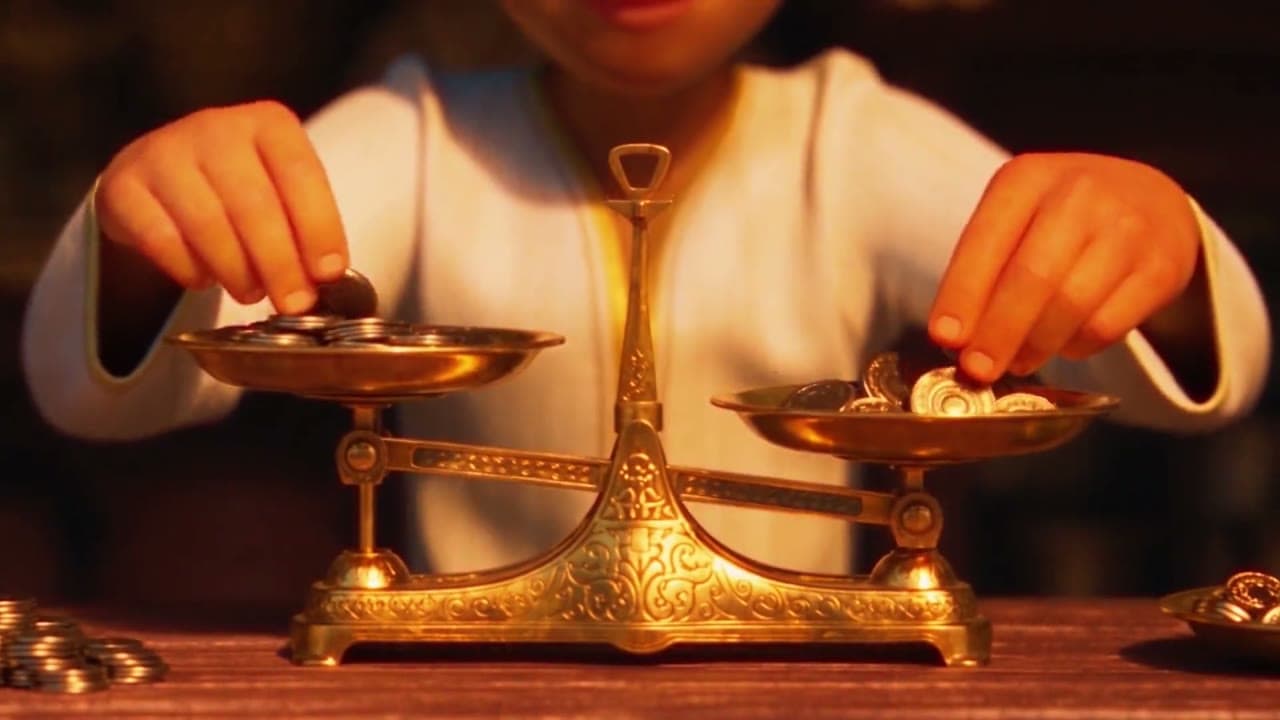
05Insert. Hands and the scales, coins into the pans, lamp light.
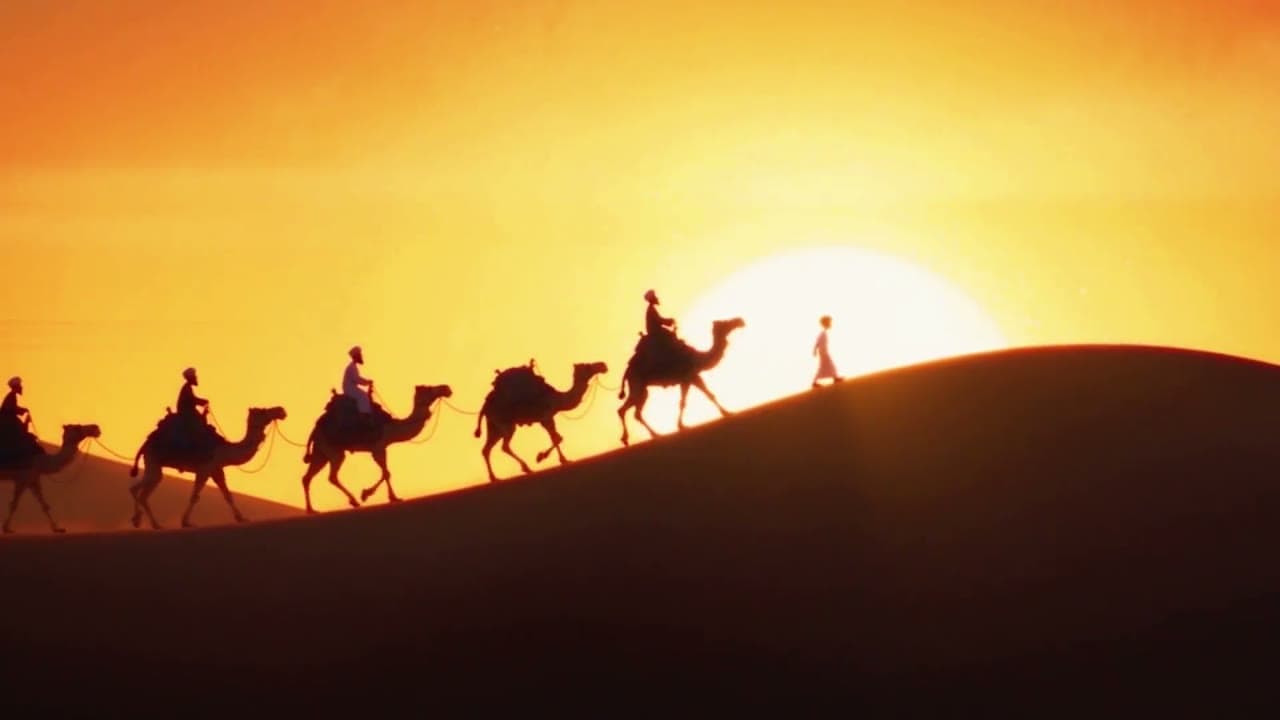
06Wide. Sunset. The caravan crosses the dune in silhouette.
04
Production
Each shot is built from structured prompts rather than prose, using JSON-driven prompt control. Characters are held steady across the production with reference sheets, and dialogue is matched to picture with frame-accurate lip-sync.
Nothing is needed from you while this runs, unless something in the brief changes.
Structured prompt, Trailer Park, shot 01- shot
- 01
- frame
- High wide, the trailers in the trees
- camera
- High and level, a slow drift in
- light
- First light, mist in the trees, one window lit
- continuity
- The same park and light in shot 02
05
Review and versioning
Versions are produced and compared side by side rather than committed to on the day. A change of location, product colour, time of day or language is another pass through the pipeline, not a new shoot.
You review versions against each other and say which one goes forward.
Consistency sheet, Qissaverse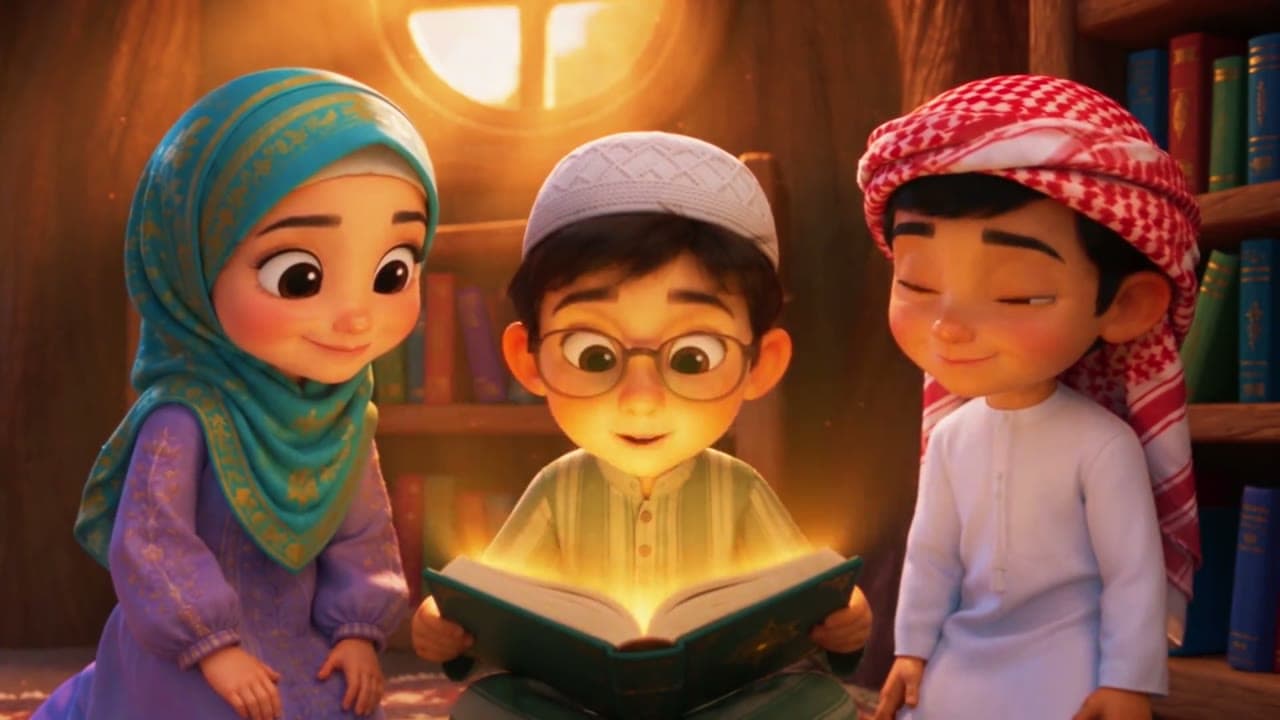
Library, 0:52
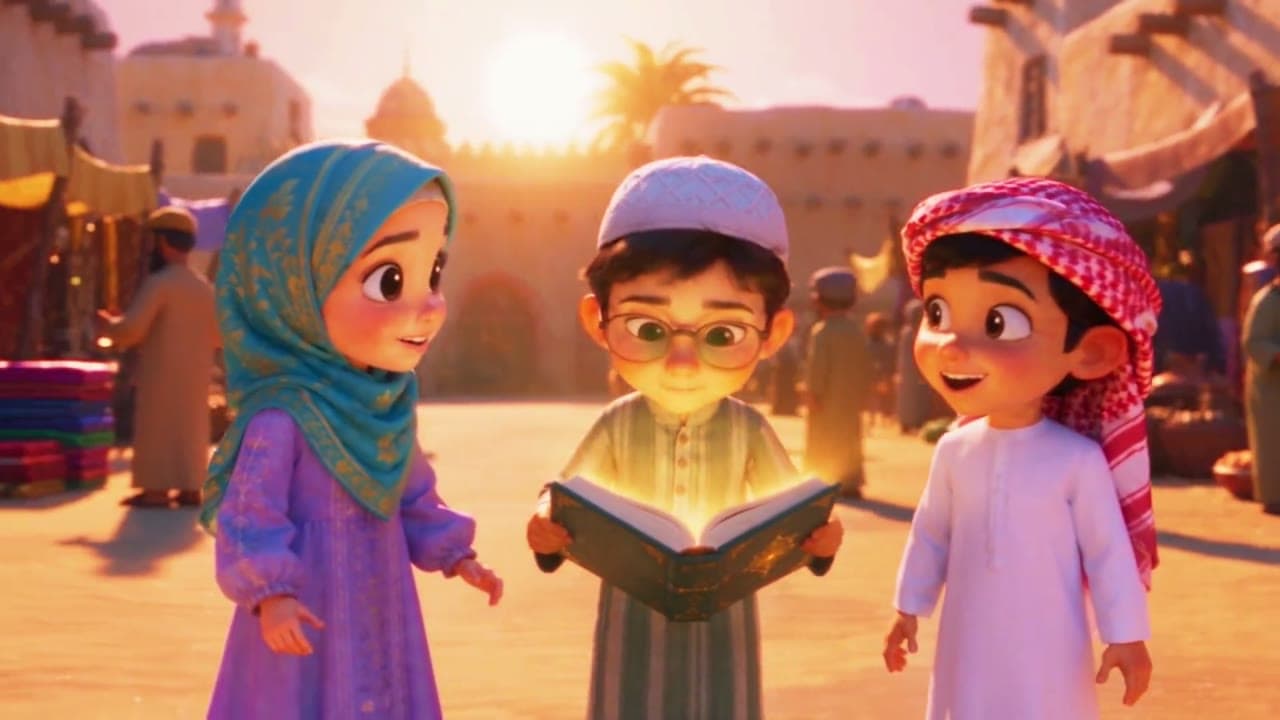
Market, 1:20
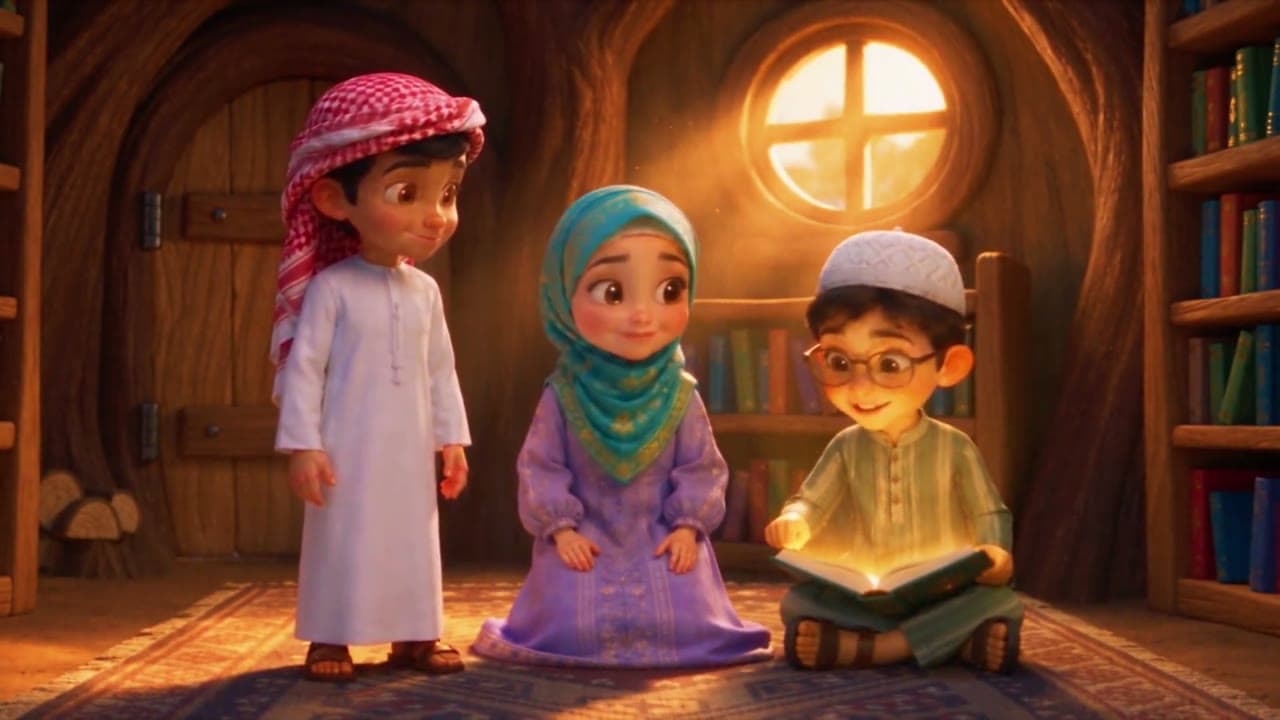
Library, 3:24
The same three, held the same across four minutes: face, wardrobe and proportion fixed once and applied to every shot.
06
Finish and delivery
Colour grading, logo lock-ups and master delivery in the formats and aspect ratios the campaign actually needs, mastered from one concept rather than re-edited per placement.
You receive the masters. Format and aspect-ratio requirements are set back at the brief, not discovered here.
Delivery, Canyon Run, one frame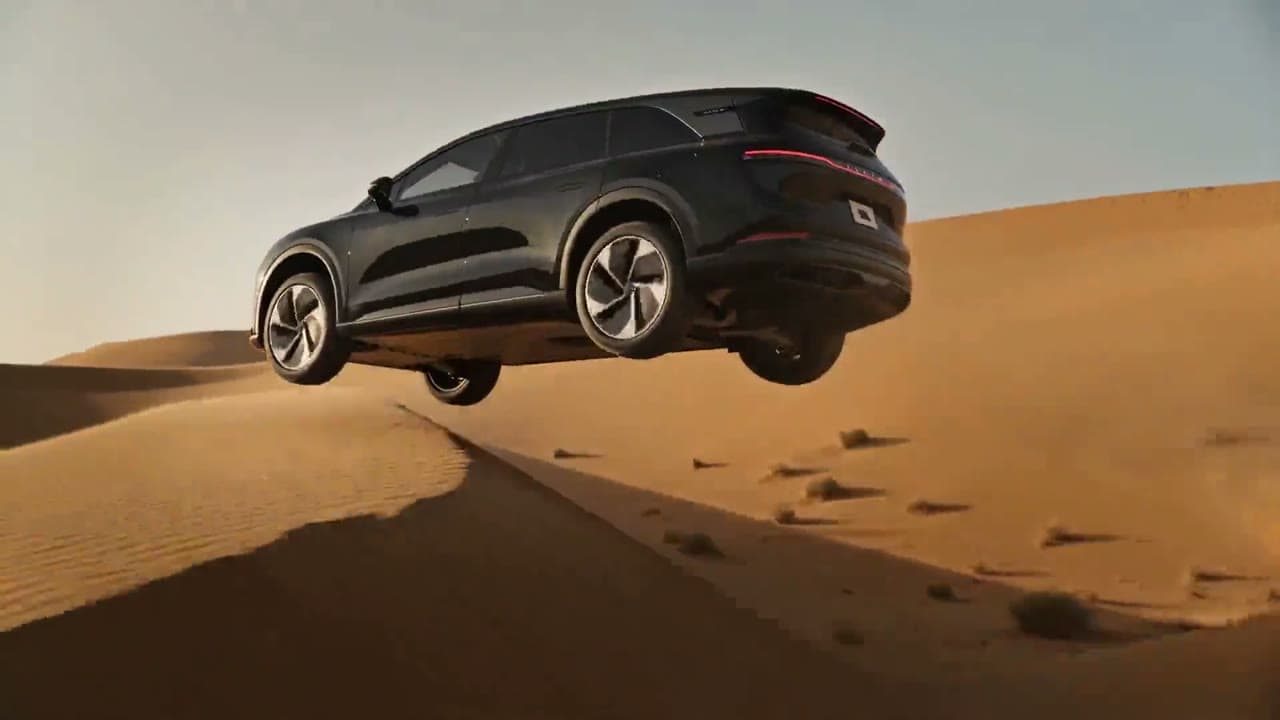
16:9Broadcast and cinema 9:16Upright 1:1Square One master, every format, the logo locked up on each.
Signature methods
These do not change with the tooling. They are the reason output stays consistent across a production rather than shot by shot.
- Character-consistency sheets
- Frame-accurate lip-sync
- JSON prompt engineering
- A/B versioning and iteration
- Cross-platform porting
Questions about the process
How This Works In Practice.
When is the cheapest point to change my mind?
At the treatment stage, stage two. The creative approach is agreed there, before any shot design begins, so a change of direction costs a conversation rather than a production pass.
What do you need from me while production runs?
Nothing, unless something in the brief changes. Your decisions land at the brief, the treatment, the shot sheets and the version review. Stage four runs without you.
How do I know what I am going to get before it is built?
You see the shot sheets. Every sequence is broken into directed shot sheets before a single frame is generated, with blocking, lensing and lighting decided in writing, shot by shot. What is on them is what gets built.
How are different versions handled?
Versions are produced and compared side by side rather than committed to on the day. A change of location, product colour, time of day or language is another pass through the pipeline rather than a new shoot, and you say which version goes forward.
Are you tied to one generative platform?
No. No single platform is good at everything and the good ones change every few months, so the tools in use change over time and are never a commitment. A project is never designed around one of them.
Cloud & AI Infrastructure
- MicrosoftAzure
- DIFCInnovation One
Named for what the studio runs on and where it is licensed. No partnership or endorsement is implied.